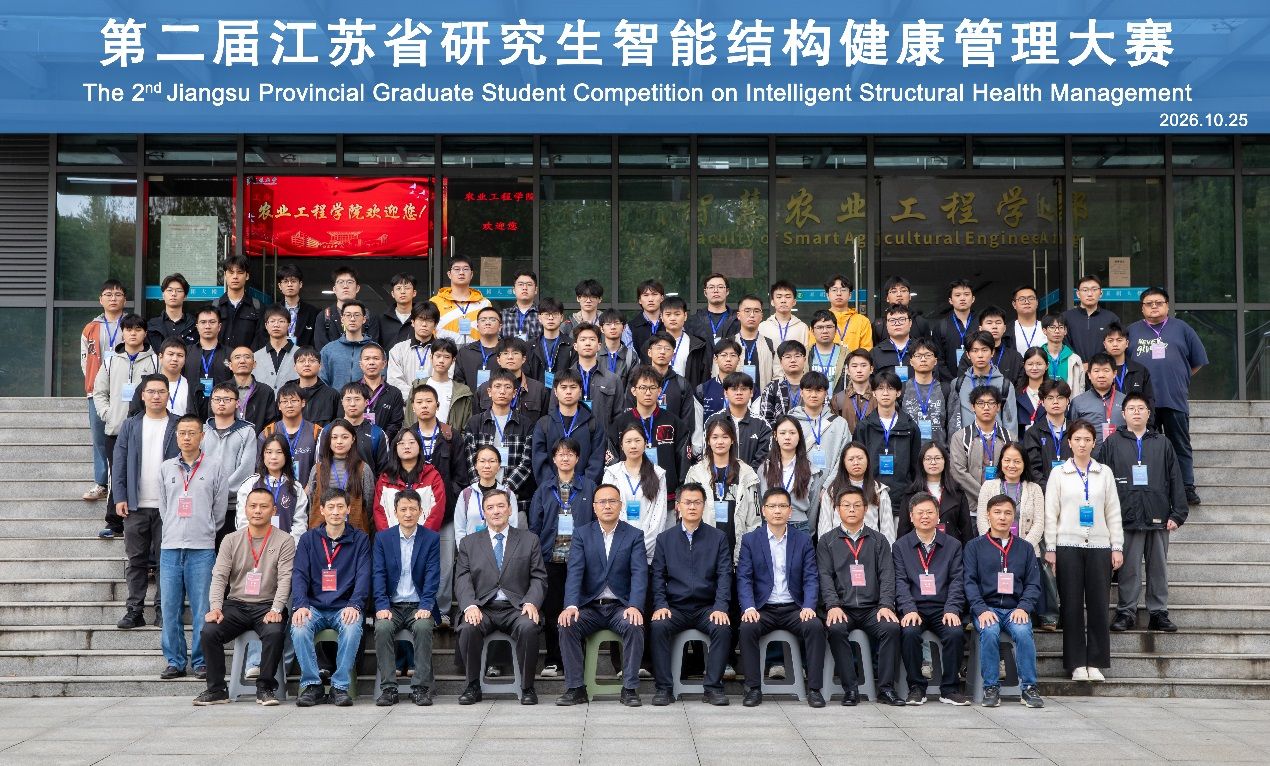
On October 25, 2026, the Second Jiangsu Provincial Graduate Student Competition on Intelligent Structural Health Management was held at the south square of the Leisi Building at Jiangsu University. The competition was organized by the Jiangsu Provincial Graduate Education Steering Committee for Engineering (Category I) and jointly hosted by the School of Low-Altitude Technology and the Graduate School of Jiangsu University, together with Zhenjiang Jianggong Engineering Testing Co., Ltd. It was co-organized by the Jiangsu Society of Mechanics, the Jiangsu Seismological Society, and the Equipment Structural Health Monitoring and Early Warning Branch of the China Instrument and Control Society. Sponsors include Nantong Sanfeng Electronic Technology Co., Ltd., Wuhan Zhongyan Technology Co., Ltd., Shanghai Ruixin Instrument Technology Co., Ltd., and the Foshan Branch of the Hunan City University Design and Research Institute.
Under the theme “AI-Empowered Structural Health: Innovation for Engineering Safety,” the competition focused on emerging areas such as intelligent structural health monitoring, intelligent damage identification and diagnosis, and structural integrity management. It aimed to promote the integration of artificial intelligence with the health management of critical structures in advanced equipment, to develop graduate students’ practical skills, integrated design capabilities, and teamwork, to advance the engineering application of intelligent structural health monitoring (SHM) technologies, and to encourage academic exchange among graduate students in related disciplines.
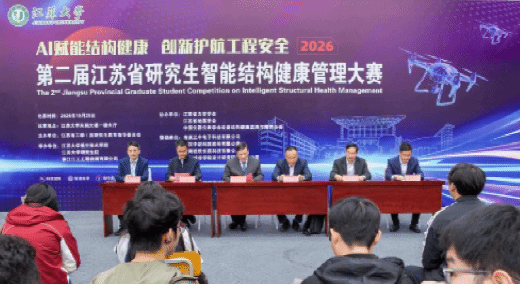
At the opening ceremony, Professor Xing Shen of Nanjing University of Aeronautics and Astronautics, Secretary-General of the Jiangsu Provincial Graduate Education Steering Committee for Engineering (Category I); Professor Zhiling Liao, Executive Director of the Division of Intelligent Agricultural Engineering at Jiangsu University; Zhengsong Zhou, Vice Dean of the Graduate School of Jiangsu University; and Professor Alfredo Güemes of the Department of Aerospace Engineering at Universidad Politécnica de Madrid, Spain, who served as the competition’s international expert adviser, presented opening speeches. The ceremony was chaired by Professor Leijun Xu, Dean of the School of Low-Altitude Technology. Professor Chun Tang, associate dean of the School of Low-Altitude Technology, faculty and student members of the organizing committee, competitors, and sponsor representatives attended the ceremony.
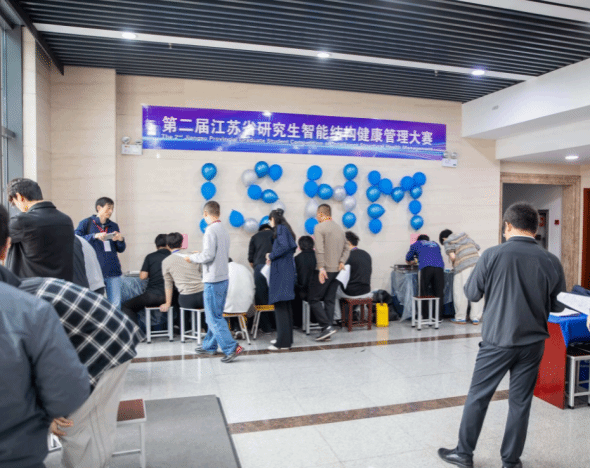
The competition comprised two categories: Practical Innovation and Research Innovation. It attracted 26 teams from 15 universities, including Beijing University of Technology, Hunan University, Nanjing University of Aeronautics and Astronautics, Sun Yat-sen University, Zhejiang University of Technology, China University of Mining and Technology, and Yangzhou University. Seven experts in structural health management from universities and industry served on the judging panel.
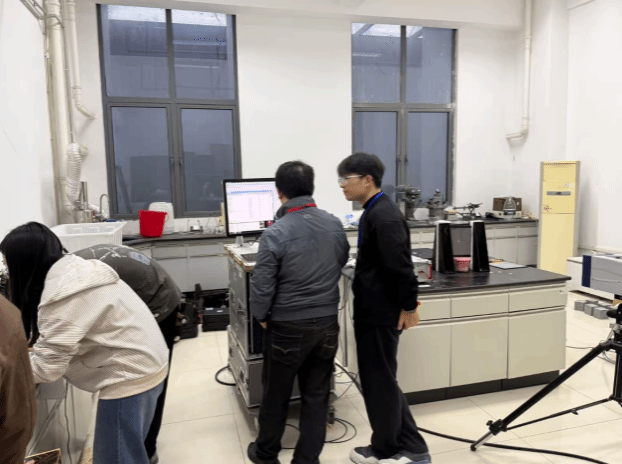
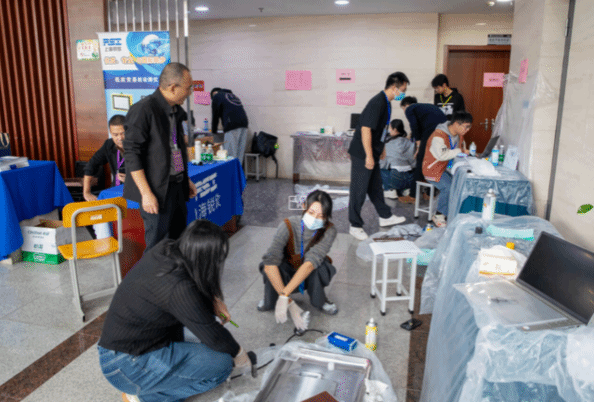
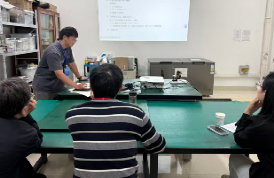
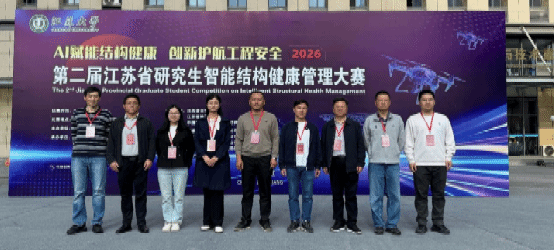
Following one day of intensive competition, the two categories yielded four Grand Prizes, seven First Prizes, nine Second Prizes, and six Third Prizes. Throughout the event, teams applied interdisciplinary knowledge in structural health monitoring, signal processing, artificial intelligence, and imaging and modeling to practical engineering problems, demonstrating strong technical expertise and innovative problem-solving capabilities. At the closing ceremony, university leaders and panel experts presented awards to the winning teams. The Grand Prizes were presented by Professor Alfredo Güemes.
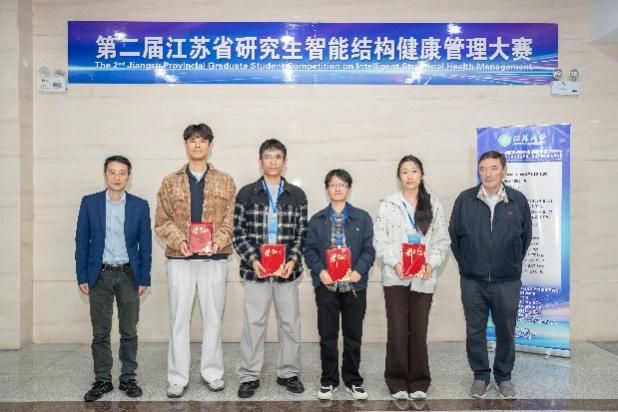
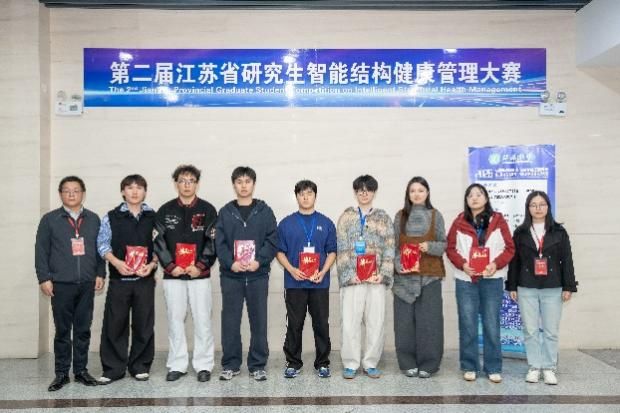
Aligned with emerging industrial trends and national priorities, the competition connected classroom learning with engineering practice through health-monitoring tasks involving representative structural components. It broadened graduate students’ academic horizons, strengthened their capacity for technological innovation, and fostered interdisciplinary collaboration.